


What are the Key Factors Which Make a Play2Earn Game Last?
The world of Play2Earn crypto games and NFT gaming is booming, yet so many projects are falling flat because their economies do. At Storygame, we feel that the long-term successful model is to facilitate in building a sustainable Play2Earn economy that rewards all and not participants, players, developers, investors – everyone. This exhaustive resource explains step by step how to design an economy that stands the test of time (not just months!) Whether you are a game developer interested in launching a P2E game or a player trying to find top play-to-earn games out there, in-depth understanding of these principles are going to help you thrive amidst the Web3 gaming universe.
The root cause of it all: Most Play2Earn economies fail
Newer projects are trying to build more complex systems that feel less like outright gambling, and hope their games can serve as social platforms in their own right, said Yeh.“It’s trying to change the model of how these games work,” he added.Many of the early blockchain games and NFT-based games were basic: you earn tokens for playing them, then cash out. This creates a fundamental imbalance—when more people are taking value than contributing it, at some point the economy crashes. We’ve seen this time and again with P2E games that claimed to be an easy way to make money but failed to provide sustainable rewards. The Play2Earn model shouldn’t be thrown away; instead, it should be built in the right way from its very foundation. Economical Design A sustainable cryptogame requires Economic Design to solve these fundamental challenges.
The 5 Essential Pillars of a Sustainable Play2Earn Economy
1. Real Value Creation Through Gameplay
The best Web3 games know it’s fun first. Your game should actually be fun to play, not merely a means of earning cryptocurrency. This is the mistake where so many NFT games go wrong, putting earning mechanics in front of engaging gameplay.
Key strategies for value creation:
- Highly addictive core gameplay loops that deliver an engaging experience after hundreds of hours
- Deep and rewarding character progression systems that encourage skill development and personalization
- Social and competitive features which create community in an organic way
- Frequent content updates to keep the experience fresh and exciting
- As players enjoy themselves, they are more likely to spend their in-app earnings back into the game environment – a virtuous cycle..
2. Well-Balanced Reward Systems Anti inflationary
For a Play2Earn game to be sustainable, the token economics should be well thought out. That requires a balance of token rewards (what players earn) and token sinks (where players spend).
Effective token sink strategies include:
- Resource consuming crafting and upgrading systems
- Transaction fees towards development and rewards pools
- Limited-edition NFT drops intended to drive demand for in-game currency Reduce gas costs.
- Low entry fees of tournaments and special events The end game is a circulating economy, where tokens move from on-chain activity to on-chain activity and role player to role player rather than pile up in wallets without ever being spent..
3. Varied Roles of Players and Participation in the Economy
The healthiest P2E gaming economies include several ways to engage and earn. Not every player wants to be a competitive battler, and your economy shouldn’t require all of them to become such in order for the game’s industry to operate as intended.
The games that make it in play-to-earn should generally have:
- PvP/PvE type players that want to fight/be active with it, earn through these sources.
- Crafters and gatherers provide resources and items for other players
- Traders, and market experts that are intermediaries in trade.
- Land maintainers and developers who make experiences for others
This variety makes players depend upon one another creating not only a tougher but more engaging game world in which everyone can find their niche..
4. Transparent Governance and Community Input
The large benefit of blockchain games is the possibility for decentralized governance. Gamers that hold your game’s NFTs or tokens should be participants in the creation of the game and economic framework.
Implementing effective governance:
- Leverage DAO structures for economic change proposals and voting
- Provide readily available data dashboards on economic health metrics
- Set up a fluent communication process between developers and the community
- Organize graduated voting power with a commitment for the long term and not only in response to token holdings Players who feel that they own a stake in the game's future have a vested interested in acting to support the long-term interest of the ecosystem.
5. Adaptability and Long-Term Evolution
No economic model is perfect in perpetuity. The most sustainable crypto games create structures for slow, managed growth.
Strategies for economic adaptation:
- Seasonal resets with new economic rules and challenges
- Inflation/deflation controls that developers can tune, as desired.
- Modular System build, to easily integrate new gameplay systems with the current economy
- Player generated content building tools allowing user created buildings and terrain enter the game’s background as a natural part of the world. This flexibility means your game is able to adapt to shifts in player habits, market landscapes or technology.
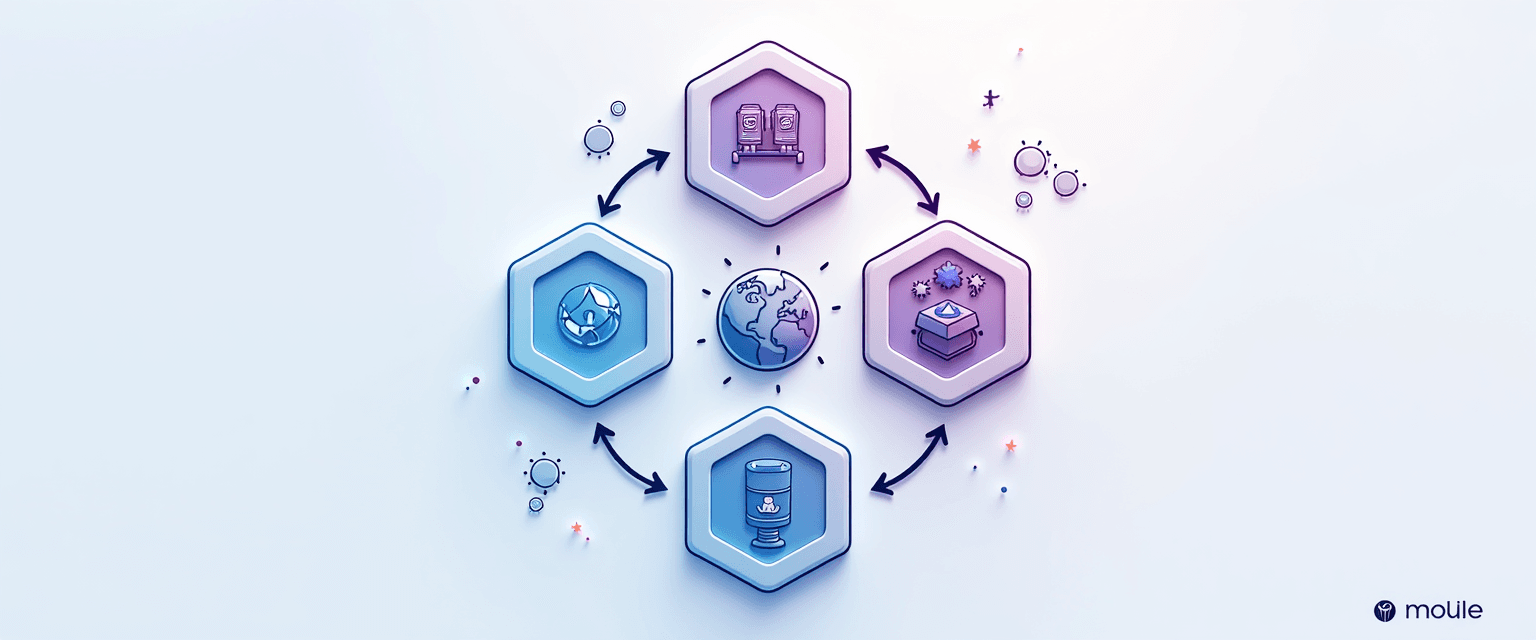
Technical Implementation: Building Your Sustainable P2E Game
For game developers ready to implement these principles, here's a practical roadmap:
Step 1: The right Blockchain-Baseptideauswahl
The type of blockchain you go for will play a major role in determining your game’s economic potential. Consider:
- Serious Play: Transactional costs and speed during in-game micro-interactions
- Smart contracts for distributed economic systems
- Environmental impact and sustainability concerns
- Current userbase and dev community The most common preferences in the Web3-gaming space are Ethereum Layer 2 solutions, Polygon and Solana and up-and-coming gaming-specific chains..
Step 2: Design Your Tokenomics Carefully
The tokens in your game are the “money” of its economy. You'll typically need:
- A token that can be used within the game for transactions and rewards
- Community decision-making with a governance token
- NFTs of in-game assets which are unique, with various rarities and utilities. Dish these out carefully and in hefty chunks for long-term, community and regular release schedules actions..
Step 3: Build Engaging Gameplay First
Otherwise you will just make another soulless bullshit game that isn't fun unless it pays out in cash. This means:
- Core mechanics that are gratifying to use and make you feel agile
- Straightforward progression systems which let players see what the next targets are
- The social aspects which promote the development of community
- Frequent new content for longevity
Remember: in a fun game players will put up with economic jank, but no economic system can save a boring game..
Step 4: Implement Gradual, Phased Launches
Don’t release everything all at once instead, here’s a phased approach:
- Alpha and beta testing in an experimental economy
- Initial NFT releases having limited outputs to make early value reasons
- Slowly rolled out features that allow cheap adjustments
- Easy-to-integrate community feedback at any point This lowers risk and provides a way for you to adapt your economic models to actual player behavior.
Play to Earn Development: Common Risks to Sidestep
1. Overemphasizing Financial Rewards
This is what happens when marketing places too much emphasis on earning potential: you attract players in search of nothing but value. That creates selling pressure right at the start and ruins your early economy.
2. Underestimating Economic Complexity
Game economies are complex systems. What looks balanced on paper will sometimes act in unforeseen ways with real players. That’s why a lot of testing, simulating and so on should be run before the main net launch..
3. Neglecting Security Considerations
Axie Infinity games are prime targets for hackers. The trust between players and token-based economy would be destroyed if there are security mistakes in smart contracts, market exploit or phishing attack.
4. Failing to Plan for Evolution
The leading murderer of games from P2E is going stale. Without new content, features and economic mechanisms on the horizon, player interest — and therefore token value — is likely to dwindle.
The Next Generation Play2Earn Gaming.
The new age of Web3 games is graduating from simple “play to earn” models into more complex “play and earn” or even “play and own” models. These emphasize:
- In-game assets that players actually own (for real)
- Cross-game and cross-platform interoperability
- Player driven content creation and economy shaping
- Models that are sustainable, to the advantage of the various actors. As the technology becomes more mature and best practices emerge, we are just starting to see this new era in gaming come to life, an era where players will own a real share of the worlds they love.
How to Start Your Sustainable Play2Earn Project
If you’re prepared to create a durable P2E game, then try these questions on for size:
- What is actually fun about your game, aside from the earning?
- How do you intend to balance token rewards versus interesting sinks?
- What are the part players will play, beyond being a mere “earner”?
- How will you lead an economy as it grows and changes?
- How will you continue to build content and new features?
At Storygame, we have found that the most successful projects are those whose economy is seen as a living ecosystem which must be tended to, not simply exploited. By building and designing with a focus on longevity and putting the players first, this is how you can make your game timeless in this rapidly changing space such as blockchain gaming.
Ready to build Play2Earn game with longevity? It starts with an appreciation for sustainable economics and fun gameplay not being at odds, but being different aspects of the same opportunity in gaming’s future..
